In Part II, Austin Px CEO Elizabeth Hickman and CSO Dave Miller discussed how KinetiSol was inspired by plastics recycling technology to dissolve poorly soluble drug crystals into excipients without solvents or heat, helping formerly “undruggable” molecules viable for development. In Part III, they share their thoughts on what comes next, and what this might mean for drug developers and the patients they serve.
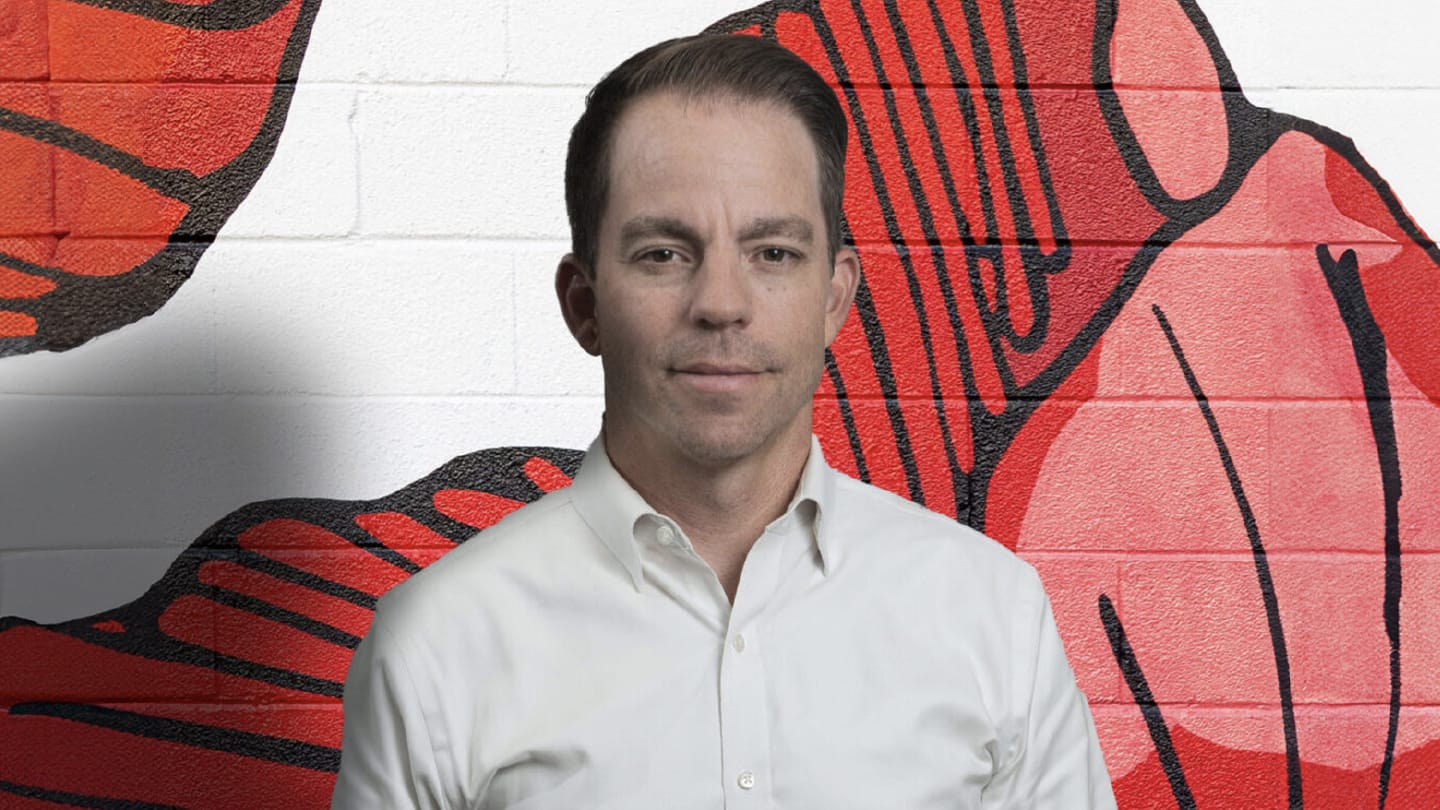
What further iterations or applications can we expect from this technology?
DM: We are learning every day with this process by applying it to more and more molecules. The research has brought us to some serendipitous discoveries – and that's been the story since the beginning.
Oral delivery looked like it would be the only path for the technology, but, through the course of development, we've discovered that we can form complexes with excipients that are amenable to parenteral delivery. When you have an insoluble molecule, your toolbox is limited. To enhance solubility for parenterals, you can't use the polymeric materials you use in oral delivery because your body can't tolerate them. Now we can utilize excipients that are amenable to injectable therapy, and that opens a new pathway to explore.
Through some recent research with the University of Texas, we discovered how to make particles for dry powder inhalation by achieving a particle size reduction of the drug substance to increase surface area and dissolution. This can be embedded on the surface of a carrier that can be used for delivery to the lungs. That’s two examples where we can go beyond oral delivery, and it's as a result of having a very efficient process that forces an intimate interaction between the drug and the excipient particle. The more we explore that in the pharmaceutically approved excipient space, the more we realize we can create particles that open up a variety of delivery pathways.
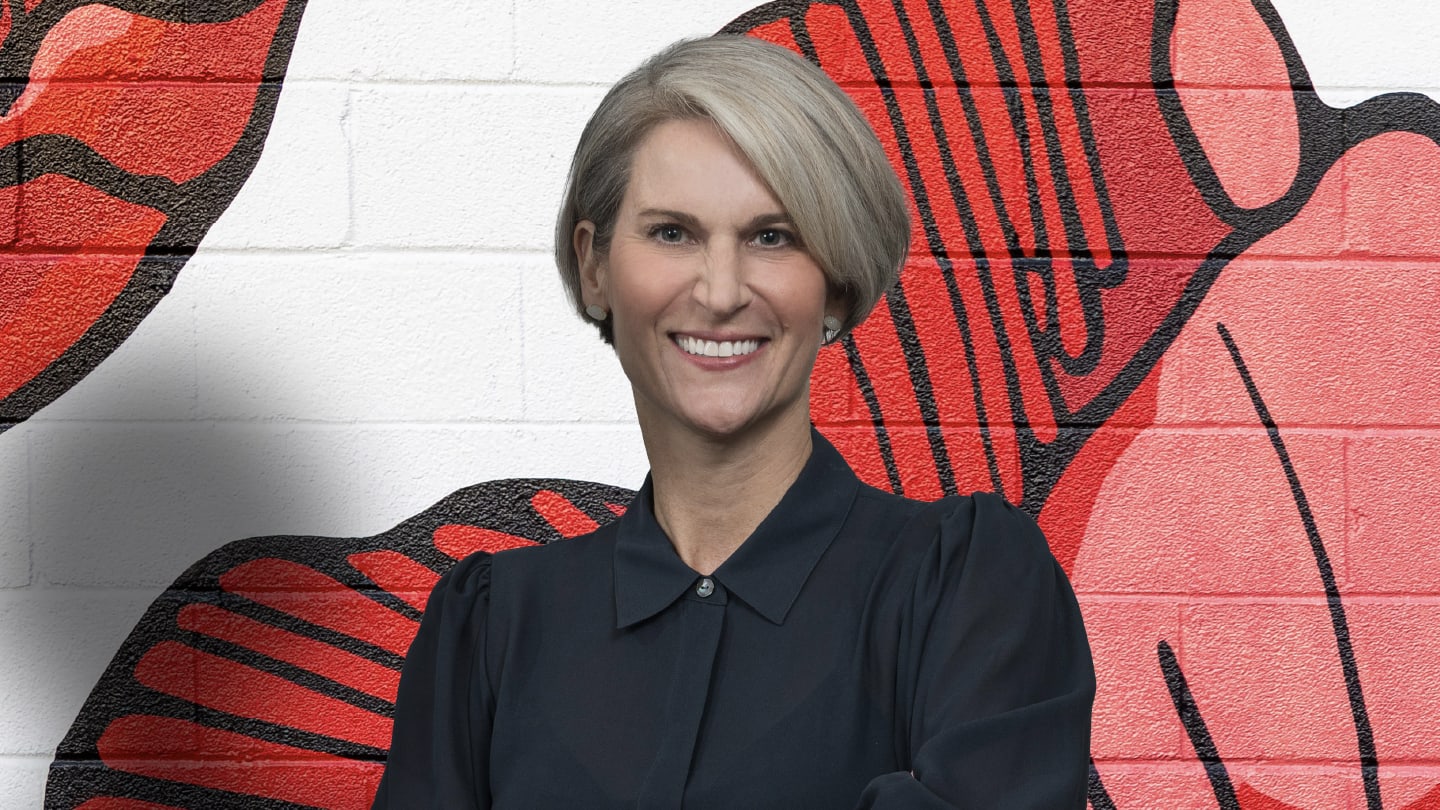
KinetiSol was granted the Advancing Pharmacy Research Award by UT. How does that help vindicate its development and commercial launch?
EH: We have no intention of hiding the passion, the belief, and the excitement we have for this technology. Winning awards helps us see that others recognize the benefits, and that's very gratifying. We really appreciate the industry recognition and will continue to introduce this technology to the industry. There are always objections when a new technology is introduced, but these awards will inspire us to continue to advance.
DM: We were holding this technology as our “best kept secret”. Then Elizabeth asked “Why?”. That’s when we decided to get the word out and invite the industry to understand what we had learned. Prior to Elizabeth, there were no awards. Few people knew about this technology – and those that did were highly skeptical. Elizabeth knew how to position the technology, and now the industry is starting to take notice. You can have the best technology in the world, but if you don't know how to position it for success, no one will ever know about it. It's nice to see growth and awareness and these awards mean a lot.
What other challenges are affecting small molecule drug development, and how are manufacturers responding?
EH: You have the challenge of discovering new molecules in a mature industry, as well as the political and social factors that push us to be more efficient in how we develop drugs. Expectations for CDMOs are rising in terms of technical know-how, experience, and understanding of the drug development and druggable space. The bar keeps getting higher as technologies advance.
At the same time, political factors such as tariffs and supply chain complexities are getting a lot of attention, leading to more near-shoring, especially in the United States. That’s creating both capacity openings and growing demand, but our industry tends to move slowly and carefully, so we need to catch up – becoming faster and more efficient to keep pace with a changing environment.
On top of that, the pressures of reducing development costs are increasing alongside the demand for faster turnaround times. We’re being challenged to become more efficient – especially for the drug developers that have fewer resources to throw at a problem. What we're ultimately trying to do is get a drug on the market that changes a patient's life. So it's an exciting time for CDMOs to respond by building new capabilities and investing in their people. Solving challenges requires a deep understanding of clinical and preclinical aspects. Having that broad understanding enables the kinds of partnerships that developers and patients need.
DM: With machine learning and in silico tools, we're seeing a democratization of drug discovery. It used to be done solely in massive, vertically integrated big pharma companies. Now, a researcher with a laptop can do drug discovery at home. With democratization of drug discovery, the next great medicines are being developed by very small entities. The real challenge for them is how to deliver these drugs. That isn’t usually solved until you've got proof of concept and patients. CDMOs bridge the gap and help reach those milestones for a big pharma company to take notice and carry it the rest of the way.
Innovation in drug discovery is happening everywhere, but innovation in drug delivery happens with a CDMO combining tools and in-depth understanding with downstream commodity technologies that can break therapies through to the clinic and commercialization. Getting a molecule into a patient is one thing; getting it absorbed so it can have an effect is another thing entirely. Without that kind of partnership, the molecule won't see the light of day.
Newsletters
Receive the latest pharmaceutical news, personalities, education, and career development – weekly to your inbox.