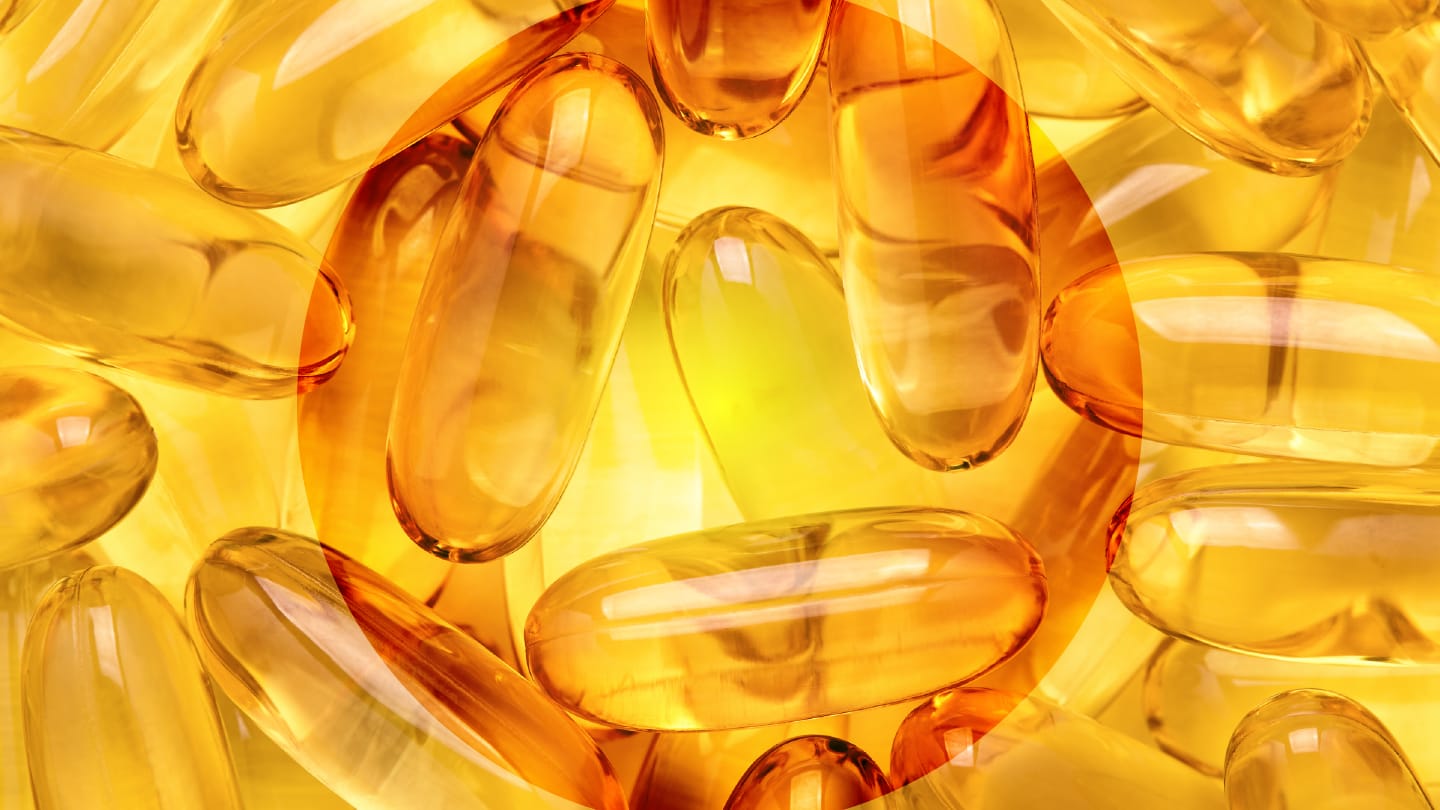
There has been a recent suggestion that soft capsules (including soft gelatin capsules or soft gels including those made with starch/carrageenan), are a major source of phthalates and, as such, pose a potential health risk to consumers.
Recent information in news and social media platforms refer to a “2021 study that reported that the use of phthalate plasticizers was associated with a slightly higher risk of heart attacks.” Since no definitive cause and effect was established by that study, some authors proceeded to provide supporting information of how phthalates have also been implicated in inflammation and/or plaque formation and that a potential major source of phthalates comes from “Medicine Capsules,” particularly softgel capsules.
However, the suggestion that phthalates “are often used in softgel capsules” is not supported by any evidence in the article. Catalent is not aware of any such use from our own data or research of public domain information (that covers US/EU). Catalent can also confirm that no phthalates are used as shell plasticiser in any product manufactured by our company. In addition, public domain searching has not found any pharmaceutical softgel product that declares phthalates in the ingredient listing in the US or EU.
The original study where the link between urinary phthalate and early death was reported appeared in a peer reviewed journal on 15 May 2025. The study was mainly concerned with toxicity of high molecular weight phthalates (HMW) from plastics and especially those of di-2-ethylehexylphthalate (DEHP). The named high risk HMWs (DEHP, DiNP, DnOP) have molecular weights in the range 390-41
Other phthalates are approved for use in drug products; for example, the FDA Inactive Ingredient Database (IID) lists diethyl phthalate, hypromellose phthalate and poly vinyl acetate phthalate. These have lower molecular weights (LMW) in the range 222-252. These are different phthalates to the ones named in the above study and are not mentioned as a risk for toxicity. The major applications are in tablets and powder filled capsules (usually in modified release coatings and solid dosage forms), so their use in “Medicine Capsules” (as stated in the article) is true, but it would be more accurate to state “Medicine Capsules and Tablets.”
The same FDA IID does not list soft gel capsules as using phthalates, which is further supporting evidence to their not being used for this application, neither wholly, mostly, or partly. Furthermore, a 2019 study confirmed there was no association between consumption of fish oils (which are mostly taken in softgel form) and elevated urinary phthalate.
Softgel capsules do employ plasticisers in the shell. However, the plasticisers used are not phthalates and are almost exclusively from the polyol family (glycerine, sorbitol and related substances) as their performance is far superior. These materials have a long-standing safety record and are not associated with any increased risk of early death.
It is theoretically possible that there are softgel capsules (not made by Catalent) with a LMW phthalate-based coating applied to the outside of the shell in either in development or on the market. A shell coating would be much thinner than the softgel shell and would use a relative smaller quantity of plasticizer. We have not found any, and we estimate that these would likely form a very small portion of the total market. Consumers can find whether phthalates have been used in any product by reviewing the full list of excipients in the patient information leaflet provided with the drug, and even online.
In relation to over-the-counter (OTC) and vitamin/mineral supplements (VMS) softgel products, phthalate plasticizers are infrequently used and should not be presented as such. The only instances Catalent has been able to find are for softgels that are enteric coated, and it is possible that the coating might include a LMW phthalate. There are only a few of these products on the global market and none are manufactured by Catalent.
Consumers can verify the ingredients in any OTC/VMS product by checking the ingredient listing on the packaging.
In summary, it has been reported that HMW phthalates from plastics have been found in urine samples and have been associated with a slightly earlier age at death. There is no evidence that any phthalate is used to plasticise softgels and thus no significant risk of early death from ingesting softgel capsules. Other LMW phthalates are approved for use in medicinal products, specifically medicine capsules and tablets, but these are not associated with the same risk.
Many of the major points in the article are useful and helpful. Phthalates are used in medicinal (powder-filled) capsules and tablets and some OTC/VMS products. However, the statement “[softgel] manufacturers often use plasticizers – chemicals called phthalates” is not based on verifiable fact.
Newsletters
Receive the latest pharmaceutical news, personalities, education, and career development – weekly to your inbox.