Objective:
To discuss the current state and future of the cell and gene therapy field, highlighting challenges and progress.
Approach:
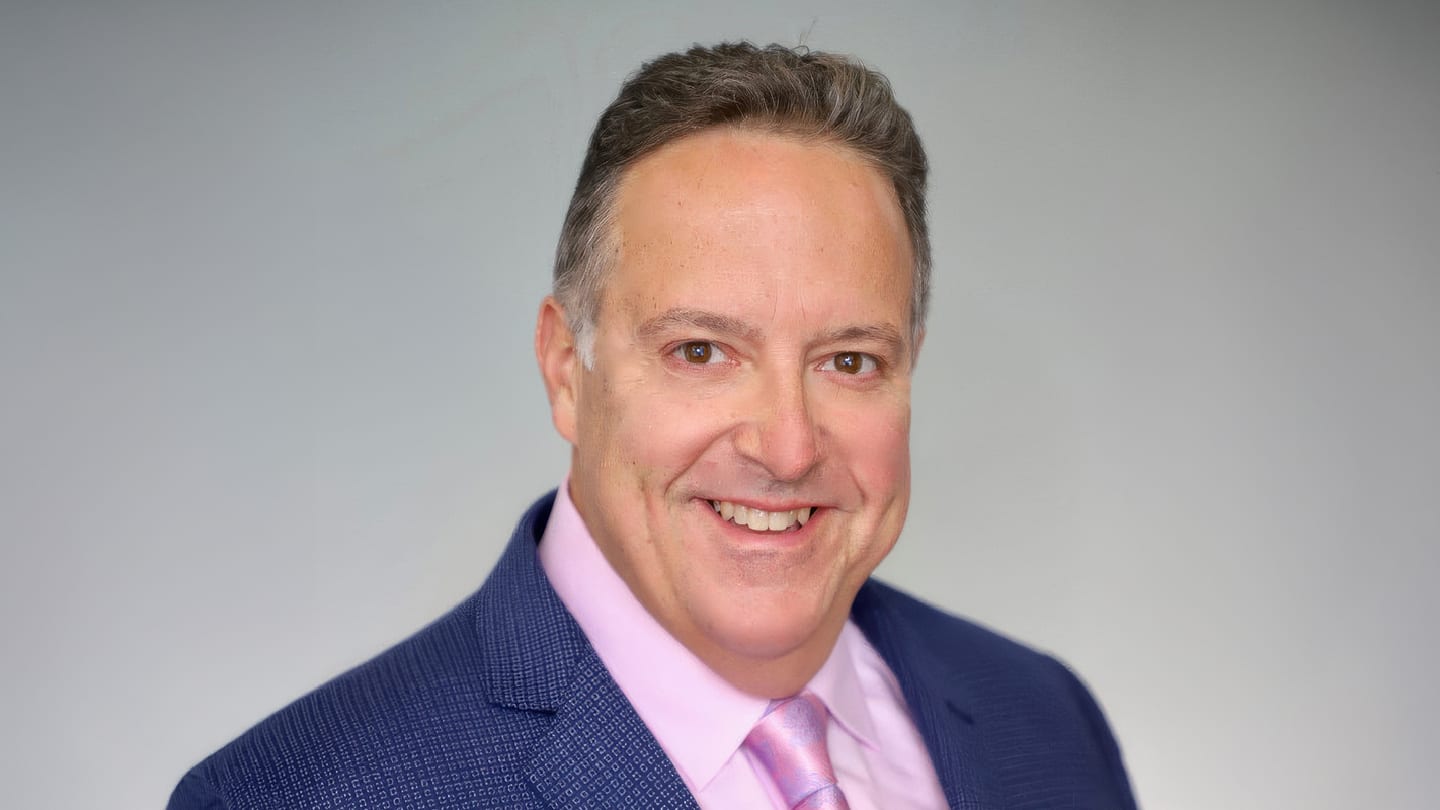
- Leadership Role: Miguel Forte reflects on his leadership as President of ISCT, focusing on shaping the field and enhancing the Society's global presence.
- Challenges in Access: He identifies patient access as the main bottleneck in cell and gene therapy, driven by manufacturing, clinical delivery, and reimbursement issues.
- Progress in Allogeneic Therapies: Forte notes significant advancements in allogeneic cell therapies, particularly those from iPSCs, which are not receiving adequate attention.
- Investment and Funding Strategies: He discusses the need for new business models and investment strategies to support the growth of the sector amid a risk-averse funding environment.
- Policy Recommendations: Forte advocates for operational changes like faster clinical trial approvals and more flexible health technology assessments to enhance progress.
Key Findings:
- Patient access is currently limited by manufacturing capacity, clinical delivery, and reimbursement.
- Allogeneic therapies, especially those from iPSCs, show promise but lack attention.
- Investment strategies need to adapt to a risk-averse environment, focusing on derisking projects.
- Operational changes may be more impactful than policy changes in accelerating progress.
Limitations:
- The discussion does not provide specific data or studies to support claims about the bottlenecks and progress in the field.
- Personal reflections may not represent broader industry perspectives.
This content is an AI-generated, fully rewritten summary based on a published scholarly article. It does not reproduce the original text and is not a substitute for the original publication. Readers are encouraged to consult the source for full context, data, and methodology.